
Gastric Sleeve
Gastric sleeve surgery, or sleeve gastrectomy, is a bariatric procedure that reduces the size of the stomach
by about 80%, forming a smaller, tube-shaped stomach
Gastric sleeve, also known as sleeve gastrectomy, is a type of bariatric surgery
designed to help people with severe obesity lose weight by reducing the size of the stomach.
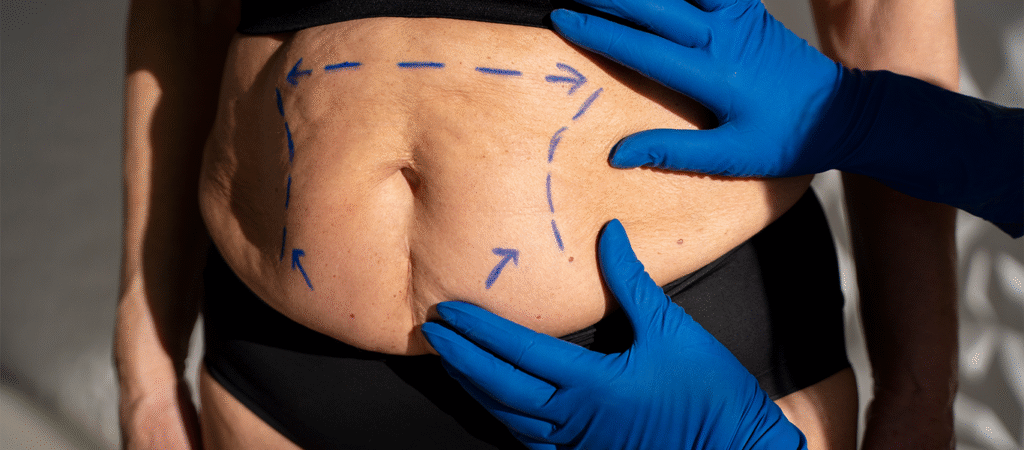
Procedure
During gastric sleeve surgery, a significant portion of the stomach is removed, leaving a narrow, banana-shaped section.
This smaller stomach, or “sleeve,” has much less capacity than the original, which restricts the amount of food that can be eaten at one time.
Effects on Appetite
By reducing the size of the stomach, gastric sleeve surgery limits food intake and helps control hunger.
It also reduces the production of ghrelin, a hormone that stimulates appetite, which can further decrease feelings of hunger.
No Intestinal Bypass
Unlike gastric bypass surgery, gastric sleeve does not involve altering the intestinal pathway. This reduces the risk of some complications associated with malabsorption but also means weight loss may occur at a slightly slower pace compared to bypass surgery.
Benefits
Gastric sleeve can lead to significant weight loss and improvements in obesity-related conditions such as type 2 diabetes, high blood pressure, and sleep apnea.
The procedure is often chosen because it is less complex than gastric bypass and does not involve rerouting the intestines.
Lifestyle Changes
After the surgery, patients must adhere to a strict diet and exercise plan, and they may need to take vitamin and mineral supplements to avoid deficiencies.
Regular medical follow-ups are also required to monitor health and weight loss progress.
Overall, gastric sleeve surgery is a common and effective treatment for severe obesity, providing a smaller stomach size to promote weight loss while minimizing the risks associated with bypassing the intestines.