
Gastroenterology
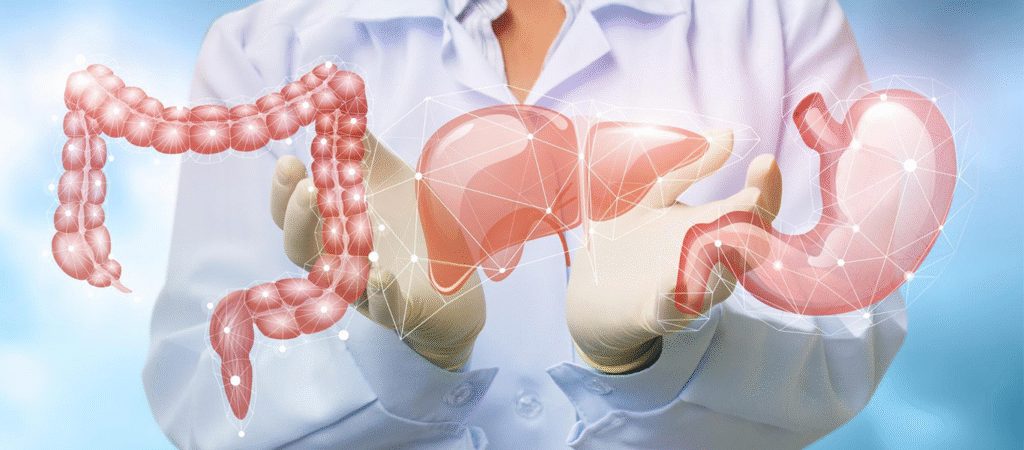
Gastroenterology is a medical specialty focused on the diagnosis, treatment,
and management of digestive system disorders, including those affecting the esophagus,
stomach, intestines, liver, pancreas, and gallbladder, pancreas, and gallbladder

Gastroenterologists specialize in digestive health and the prevention, diagnosis, and treatment of diseases such as GERD, ulcers, inflammatory bowel disease (IBD), liver disease, and gastrointestinal cancers.
They use a combination of clinical evaluation, endoscopic procedures, imaging, and laboratory tests to assess and manage conditions effectively.
Diagnostic Procedures:
Upper Endoscopy (EGD)
Examines the esophagus, stomach, and duodenum for ulcers, inflammation, or tumors.
Colonoscopy
Screens for colorectal cancer, polyps, and inflammatory conditions in the colon and rectum.
Capsule Endoscopy
Uses a small, swallowable camera to evaluate the small intestine.
Esophageal Manometry & pH Monitoring
Assesses esophageal motility and acid reflux severity.
Therapeutic Procedures:
Endoscopic Polypectomy & Mucosectomy
Removes precancerous growths or early-stage cancers.
Endoscopic Retrograde Cholangiopancreatography (ERCP)
Diagnoses and treats bile duct and pancreatic duct disorders.
Balloon Dilation
Expands narrowed sections of the esophagus, stomach, or intestines.
Percutaneous Endoscopic Gastrostomy (PEG)
Places a feeding tube in patients unable to eat normally.
Medical Treatments:
Pharmacological Management
Uses medications to treat acid reflux, infections, autoimmune diseases, and motility disorders.
Dietary and Lifestyle Modifications
Nutritional counseling for conditions like IBD, celiac disease, and irritable bowel syndrome (IBS).
Liver & Pancreatic Care:
Hepatology Services
Manages conditions like fatty liver disease, hepatitis, cirrhosis, and liver tumors
Pancreatic Disease Management
Treats pancreatitis, pancreatic cysts, and pancreatic cancer.
What to Expect
Before the Consultation:
- A detailed medical history and physical examination will be conducted.
- Some tests may require fasting or bowel preparation (e.g., colonoscopy).
During the Evaluation:
- The gastroenterologist may recommend imaging, endoscopy, or lab tests based on symptoms.
- Treatment plans may involve medication, dietary changes, or procedural interventions.
After the Consultation:
- Follow-up appointments are scheduled as needed.
- Patients may be referred for surgical or specialized care if necessary.
What to Consider
Benefits:
- Early diagnosis and prevention of serious conditions like colorectal cancer and liver disease.
- Minimally invasive procedures reduce recovery time and complications.
- Comprehensive management of chronic conditions like IBD, GERD, and IBS.
Potential Risks:
- Some procedures, such as endoscopy or ERCP, carry risks of bleeding, infection, or perforation.
- Medication side effects may occur with long-term treatments for digestive diseases.
Who Should See a Gastroenterologist?
- Patients with persistent digestive symptoms (e.g., heartburn, bloating, diarrhea, or constipation).
- Those with a family history of colorectal cancer or inflammatory bowel disease.
- Individuals experiencing jaundice, unexplained weight loss, or chronic abdominal pain.
Other Information
Screening recommendations
Colonoscopies are generally advised starting at age 45 for colorectal cancer prevention, or earlier for high-risk individuals.
Emerging treatments
Advances in biologic therapy, fecal microbiota transplantation (FMT), and minimally invasive endoscopic techniques are improving outcomes for complex GI diseases.
Conclusion
Gastroenterology plays a crucial role in digestive health, disease prevention, and treatment. Whether through advanced diagnostic techniques, minimally invasive procedures, or medical therapy, gastroenterologists help manage a wide range of digestive and liver conditions, improving patient quality of life.